Mobirise Website Builder

Truly Accessible......

At Accessible Adventure, we believe that everyone should have the chance to experience the beauty and excitement of the Cornish coastline—especially children and young people with additional needs or who are neurodivergent.

Our director and lead instructor, Dave, brings 15 years of coasteering expertise and more than a decade of experience working closely with children and young people with additional needs. His passion is creating safe, supportive, and unforgettable coastal adventures for those who experience the world a little differently.

Whether you have additional needs yourself or are a parent or caregiver looking for inclusive outdoor opportunities, we’d love to hear from you. Let us help you explore the coastline in a way that’s not only accessible—but life-affirming.
Riding Waves and Cliffs: How Coasteering and Stand-Up Paddleboarding Support People with Autism

For many people on the autism spectrum, the outdoors can be both a sanctuary and a challenge. Sensory sensitivities, anxiety, and social demands can make everyday environments overwhelming — but the right outdoor activities can flip the script. Two growing adventure sports, coasteering and stand-up paddleboarding (SUP), offer unique physical, sensory, and social benefits that make them particularly well-suited for people with autism.

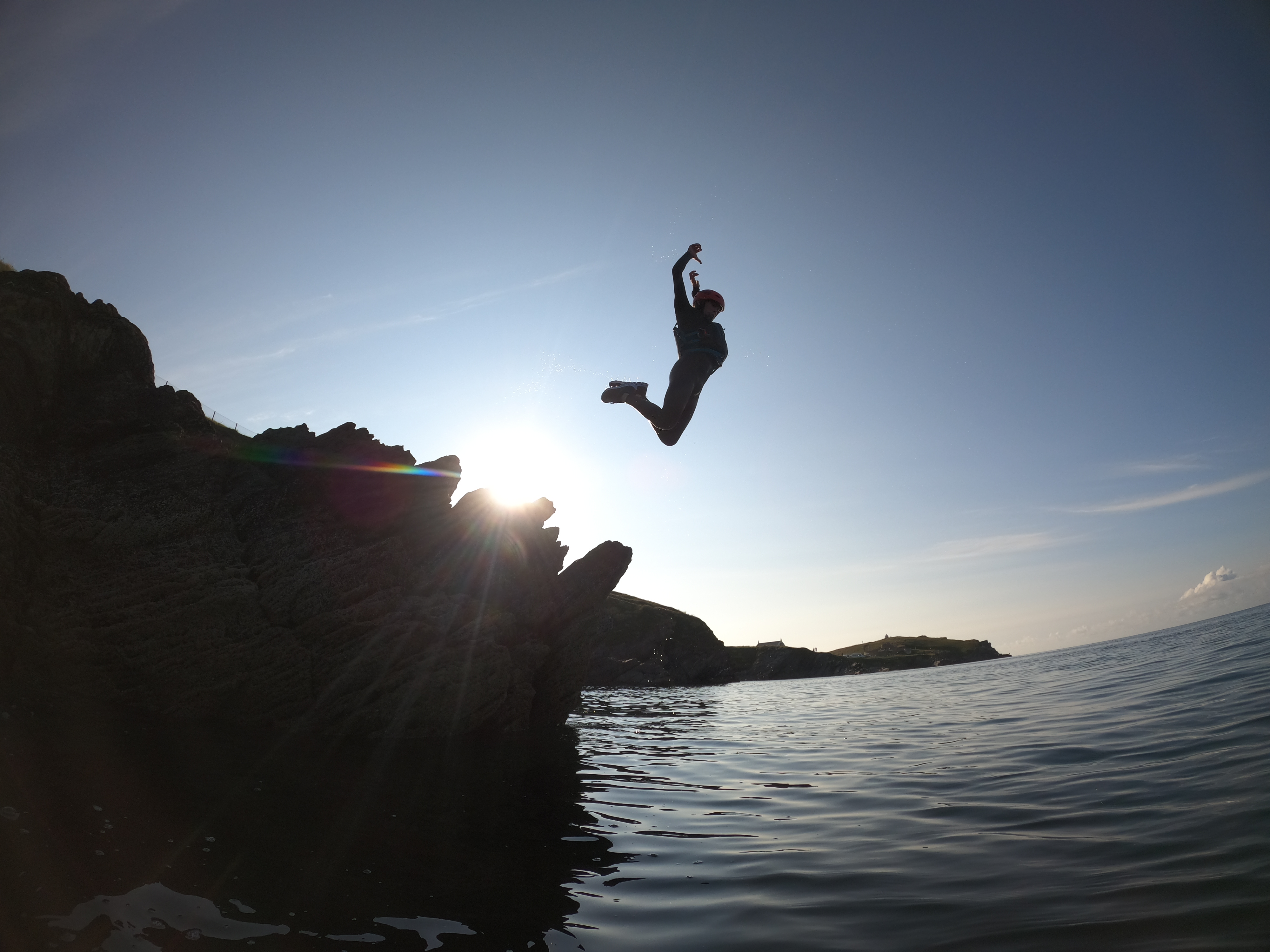
Someone jumping from a cliff
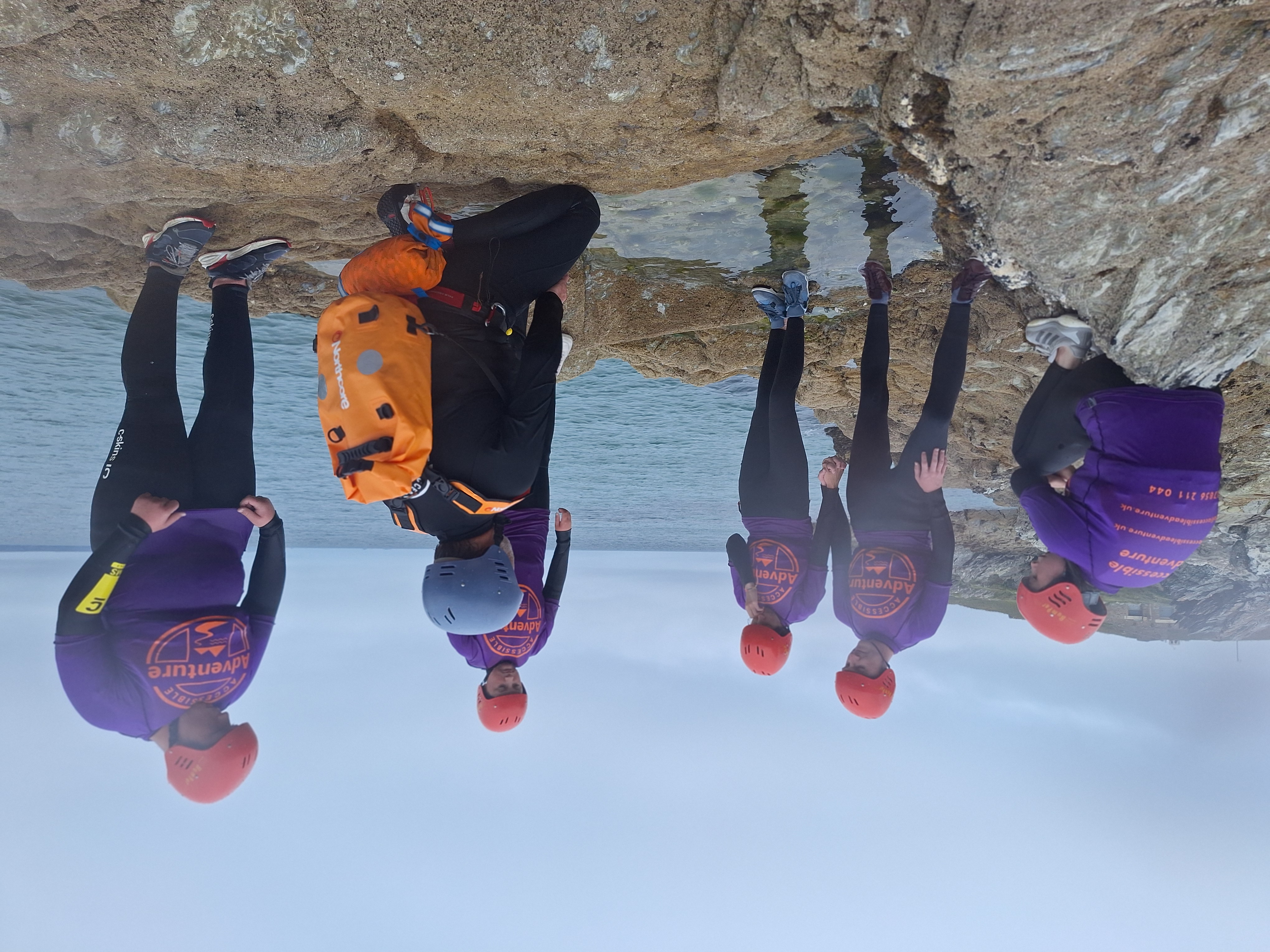
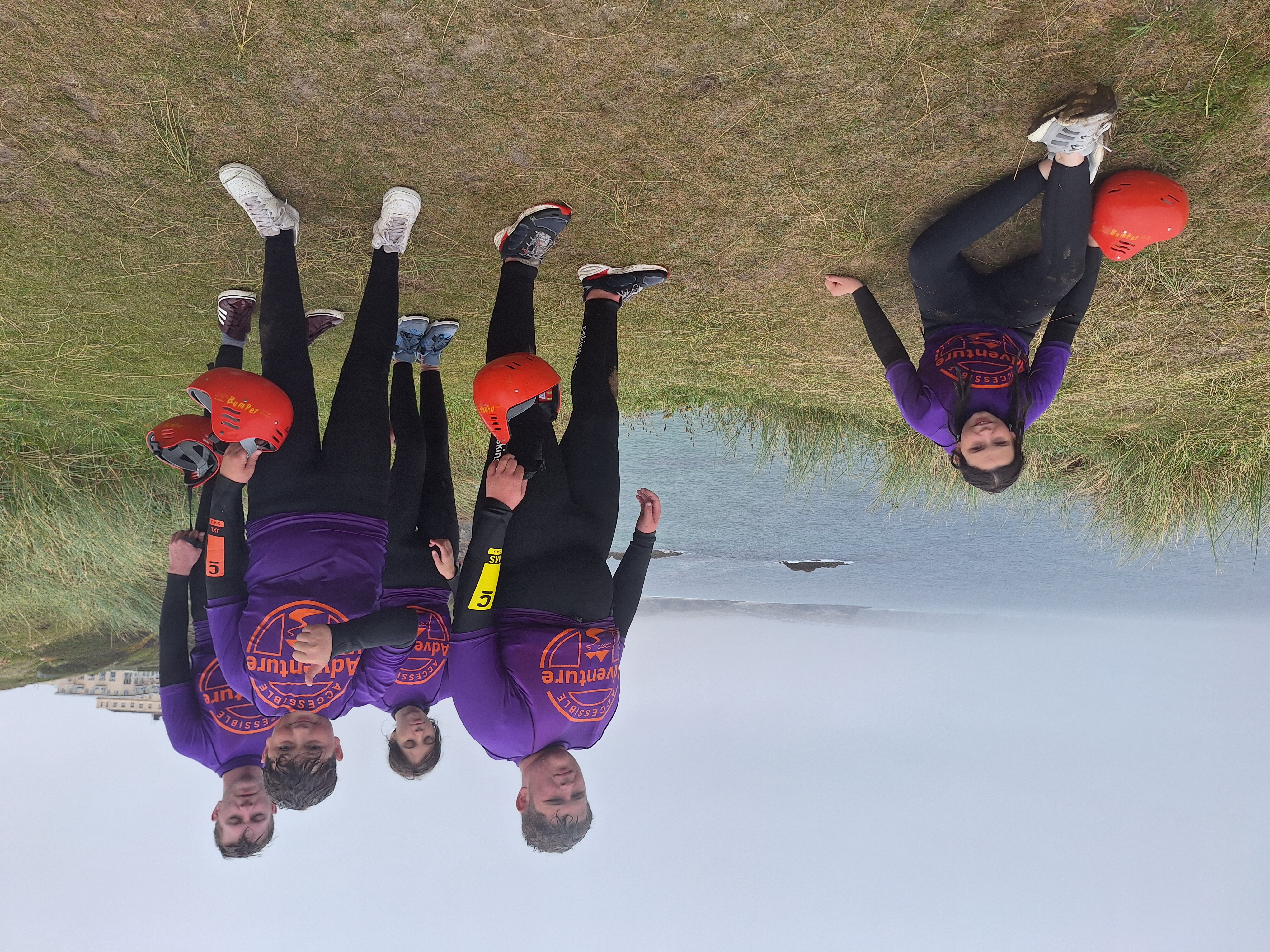
Young people Coasteering

1. Sensory Engagement in a Positive Way
Coasteering — a mix of swimming, climbing, and cliff-jumping along the coastline — immerses participants in varied textures, temperatures, and sounds. The salty spray, the feel of wetsuit neoprene, the rhythm of waves hitting rock — these sensations can be grounding rather than overwhelming when introduced gradually and with support. SUP offers a calmer but equally rich sensory palette: the gentle rock of the board, the splash of water against the paddle, and the expansive visual calm of open water. Both activities provide predictable, rhythmic sensory input that can be soothing.

2. Building Confidence Through Gradual Challenge
Adventure sports offer a natural progression of difficulty. In coasteering, someone might start with wading and scrambling before moving to small jumps or deeper swims. In SUP, beginners can kneel or sit before standing up. This controlled exposure to challenge builds self-efficacy — that powerful “I can do this” feeling — in a tangible, physical way. For autistic individuals, who may face daily situations that feel unpredictable, mastering a skill outdoors can be transformative.

3. Encouraging Mindfulness and Focus
Both activities demand present-moment attention. On a paddleboard, your focus naturally shifts to balance, breath, and the steady movement of your paddle. Coasteering requires awareness of handholds, foot placement, and incoming waves. This immersive concentration is a form of mindfulness, which can help reduce anxiety and quiet mental overload.

4. Fostering Social Connection Without Pressure
Teamwork often emerges naturally in coasteering, whether it’s offering a hand on a slippery rock or cheering someone over a ledge. SUP can be social too — paddling alongside others in companionable silence or chatting between strokes. These settings allow for shared experiences without forced conversation, which can be a relief for those who find traditional social settings draining.

5. Safe Risk-Taking and Resilience
Both sports involve risk — but in a structured, supervised way. Learning to assess a jump or adjust your stance for a wave teaches risk management skills that translate far beyond the shoreline. Overcoming a small setback, like falling off the board and climbing back on, builds resilience and a healthier relationship with mistakes.

6. Physical Health Benefits
Of course, there’s the straightforward bonus: both activities are excellent for physical fitness. Coasteering offers a full-body workout with bursts of cardio and strength training, while SUP builds core stability, balance, and endurance. Exercise is linked to improved mood, better sleep, and reduced stress — all of which can benefit people with autism.

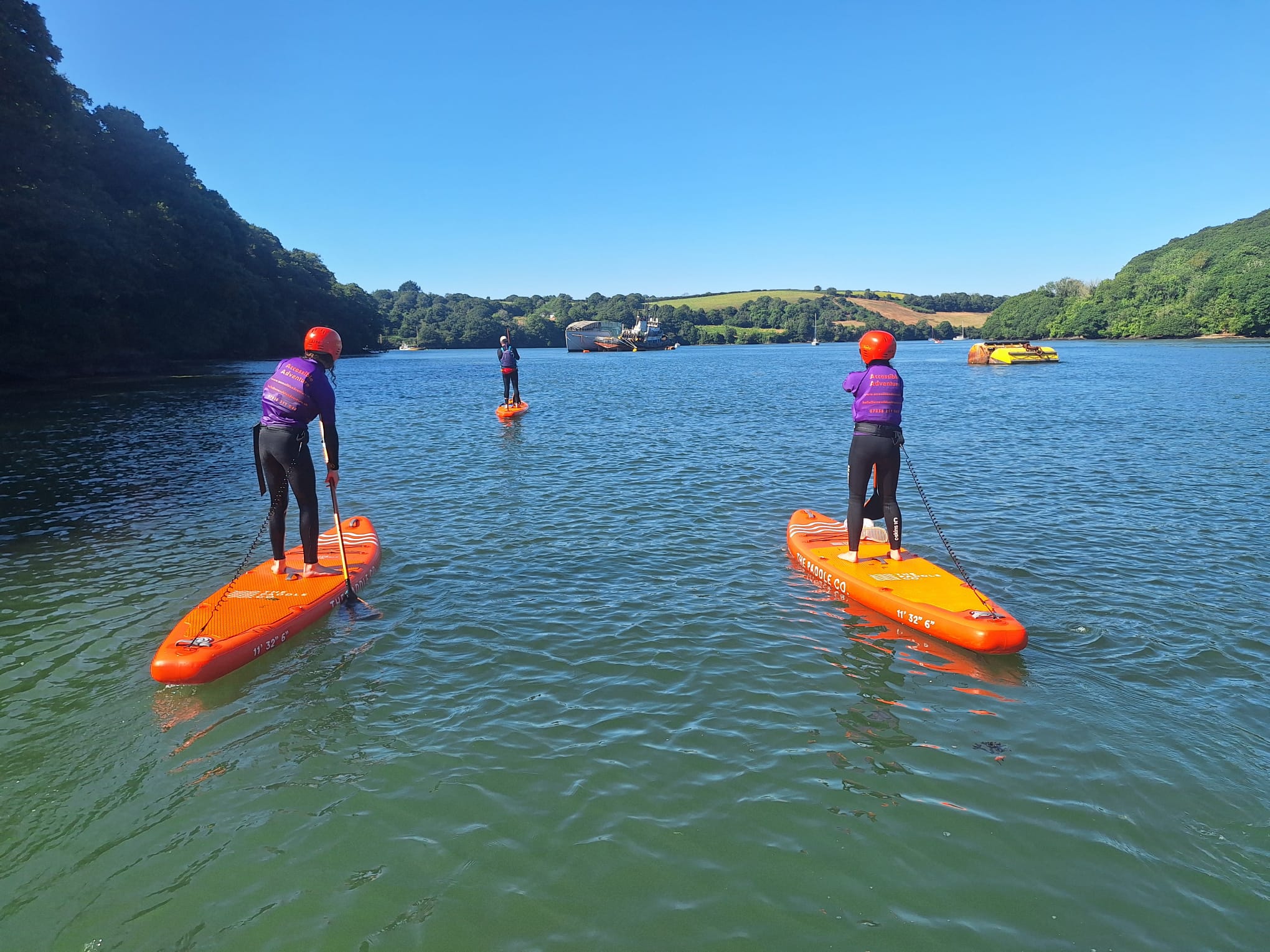
People paddleboarding on a river
Young people looking at marine life

Final Thought:
Coasteering and stand-up paddleboarding are more than adrenaline rushes or Instagram-worthy moments. For people on the autism spectrum, they can be powerful tools for sensory regulation, confidence building, and emotional well-being. With the right guidance, safety measures, and gradual introduction, these activities can open a new, empowering relationship with the natural world.